Enter the sequel.
The definition of a sequel, according to a nearby dictionary, is “a literary work, movie, etc., that is complete in itself but continues the narrative of a preceding work.” (Author's Note: Notice the glaring omission of our precious interactive media.)
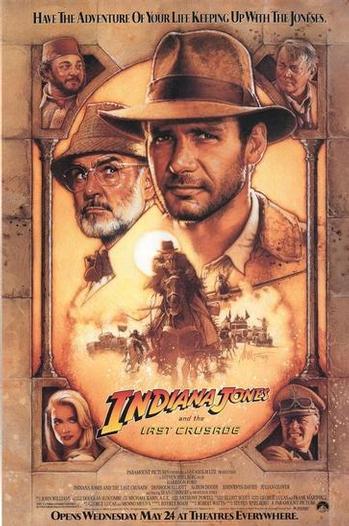
In film, a medium we should all be very familiar with, a sequel is usually identified as the continuation of the first story, incorporating the effect of past events. If not, the tale revisits familiar characters and puts them through new, more or less dire situations. Film at its most basic is a visual tale. Therefore, we are able to correlate the connection between two films through visual cues, such as a familiar setting or the return of your favorite heroes. It’s all an authoritarian and guided experience that will never deviate, no matter how many times it is viewed.
The problem with film sequels (and prequels, sidequels, or midquels for that matter) is that the further the universe is expanded, the more worn and contrived the overarching storyline begins to seem. What was once an original and exciting new world is now the exact opposite, as a result of oversaturation.
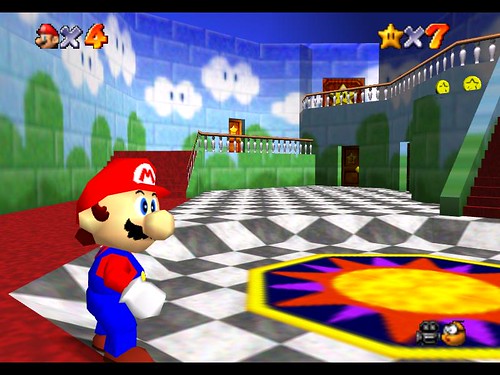
Gaming, however, is a much different beast.
Unlike film, gaming is not driven by narrative. Occasionally, a young auteur will attempt otherwise, but what individualizes a gaming title is the level and types of interaction it offers you. If something new is created, or if something resonates or is done well within its genre, gold will be struck. And demand of the same will be made.
As games are not generally driven by narrative, story remains to be executed and told at an infantile level. Most the time, there indeed is a narrative behind our games, but audiences are either too immature or too engrossed by their interactions to care. So in video gaming, how do we identify sequels other than an often misplaced “2” in the title (or subtitle) without story? By the continuation of a concept. It can be narrowed down into two generalizations: Refinements and reinventions.
Refinements are the most common type of gaming sequels found in the medium. In a refinement, defining gameplay concepts and ideas are carried over and polished. The ideas are always somehow furthered. Whether it’s much more streamlined or a tad bit more complicated, what made the game work in the first installment will almost always make a return. Being a better playing game isn’t always enough, though. Usually, the creators will add an extra level of playability, whether it’s as subtle as Mass Effect 2’s interrupt feature, or as extensive as Assassin Creed II’s monetary system. These extra elements add individuality to the title, “selling” its existence, while keeping the skeletal structure of the first.

Both categories can be easily faulted, however. An annual franchise such as Call of Duty or Guitar Hero can be easily criticized for being overdeveloped, shortening the gap of refinement in between titles. Once a brand is oversold, the existence of each entry becomes tougher to justify. Also, sometimes it’s foolish to mess with a good thing. Reinventions can quickly segue to alienation, such as the minimalistic nature of 2008’s Prince of Persia and the gritty, realistic reinterpretation of sandbox gaming in Grand Theft Auto IV. Without citing an opinion as to the actual quality of these titles, reinvention may sometimes be quick to shut off a portion of an audience’s interest once a key tried-and-true ingredient is tampered with.
Now. What is the point of outlining the genesis of a gaming sequel? A simple need for articulation. In an industry dominated by franchises, and money-seeking corporations that will try their darndest to earn a profit off a name, gamers as a whole need to realize what renders their medium unique. An interactive art is driven by the dream of interacting, not imitating a film. While we stand in line at midnight for a much-anticipated sequel, we must be able to clearly sum to ourselves what it is we’re actually expecting and realistically align our perspectives. There is not – and there will never be – anything wrong with wanting more of the same. For the sake of the evolution of our games, let’s hope we’re never too demanding to wish for a change of pace. Sequels are a finicky thing. Or they seem to be for everybody but gamers.

No comments:
Post a Comment